

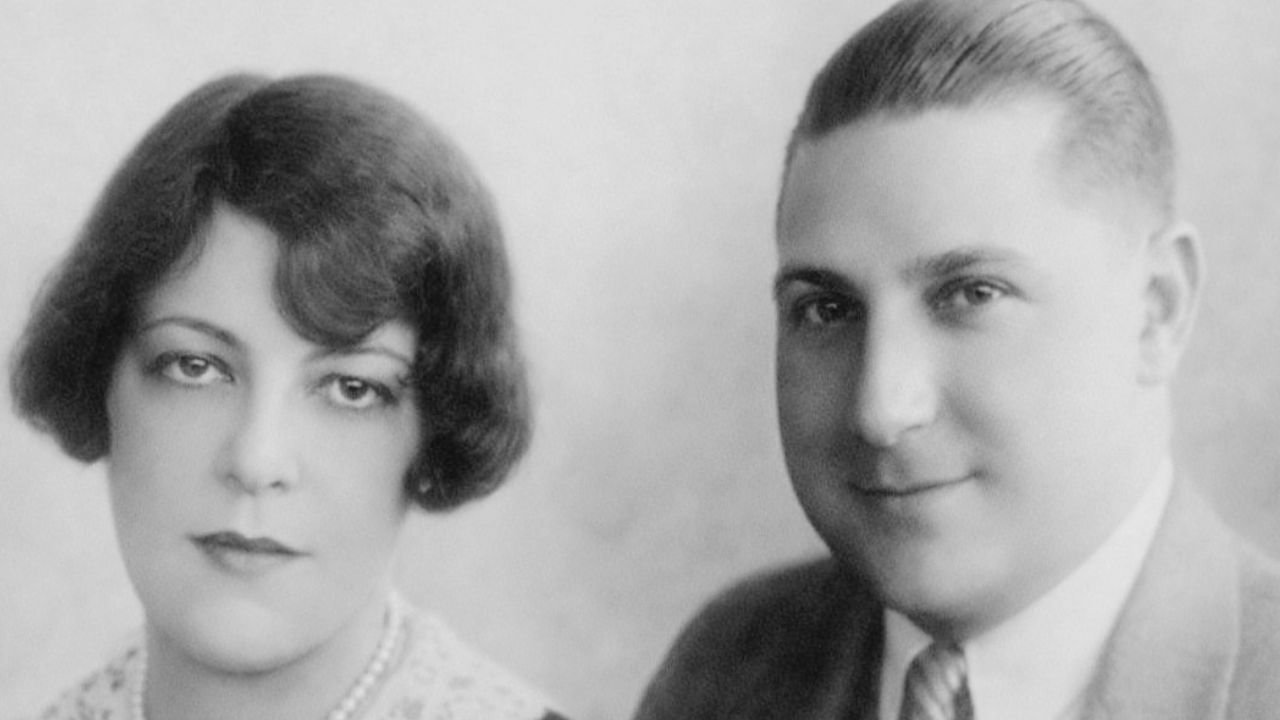
Lauretta Giegerman lived a life that intertwined with the complexity and intrigue of organized crime in the early to mid-20th century. She is best known as the wife of Frank Costello, one of the most notorious mob figures of the time. While Costello’s criminal endeavors were widely publicized, Lauretta maintained a position in the background, her story less told but nonetheless fascinating. Her life reflects the fascinating dichotomy of public infamy and personal privacy, serving as a window into the era’s underworld.
Early Life
Lauretta Giegerman was born on October 28, 1894, in New York County, New York. She hailed from a Jewish family, with her parents Jacob H. Geigerman and Cecelia (or Celia) Josephs Geigerman. The nuances of her early life are shadowed by variations in the spelling of her name, appearing as Lauretta, Loretta, or even Bobbie/Bobby Geigerman in different documents. Such inconsistencies are common in genealogical records from the time and highlight the importance of corroborating information through multiple sources.
Her upbringing in New York positioned Lauretta within a vibrant cultural tapestry. This environment paved the way for her initial career pursuit as a showgirl. It was in this context of performing arts and urban allure that she met Frank Costello, setting the stage for a life shared with one of history’s more notorious figures.
Marriage to Frank Costello
Lauretta’s marriage to Frank Costello marked a significant chapter in her life. Records suggest that the couple married on September 23, 1914. However, other sources list 1918 as a possible year. The stronger, genealogical-looking evidence supports the earlier date, painting a picture of a young woman entering a union that would thrust her into a notoriously complex world.
Being married to a high-profile mobster like Costello meant navigating a life filled with public scrutiny and personal challenges. Despite this, Lauretta managed to maintain a semblance of normalcy. She stood by Costello through his rise in organized crime, including his infamous reign as a crime boss during Prohibition.
Her role as Costello’s wife required a balance between the unique status of her marriage and a personal desire for privacy. This balance is especially impressive considering the era’s limited communication means and profound societal expectations.
Public and Private Life
Before her marriage, Lauretta worked as a showgirl. This early career suggests a woman who was comfortable in the spotlight and shared a path many young women in New York pursued at the time. Upon marrying Costello, however, she retreated from public life, opting for privacy over visibility. Her choice reflects a conscious decision to shield herself from the crime world, despite its pervasive presence in her life.
While Frank Costello’s activities made headlines, Lauretta preferred to stay away from the limelight. This decision may have been strategic, allowing her to manage the personal ramifications of being linked to organized crime while focusing on maintaining a personal life away from public scandal. Her preference for private life underscores the complexity of her existence, living quietly within a very public storm.
Later Years and Death
Lauretta’s later years are less documented, marked by uncertainties surrounding her death. A single source claims she passed away in 1973, but this remains largely unverified. As Frank Costello’s prominence waned following his 1957 assault and eventual retreat from crime, Lauretta’s life continued, detached from the criminal associations that once defined her public presence.
Her life after Costello’s criminal heyday suggests a woman who managed to retain her individuality and privacy despite ongoing public interest. These later years undoubtedly provided her an opportunity to reflect on a life lived in the orbit of notoriety but marked by personal resilience.
Conclusion
Lauretta Giegerman’s life story is a testament to surviving and adapting amidst chaos. Her journey, from a showgirl performer to the wife of a mobster, and later her preference for a private life, highlights the complex and multifaceted role she played in history. She remains a figure of quiet endurance, illustrating how personal strength can prevail even in the shadows of infamy. Her story offers invaluable insights into a historical context fraught with challenges, carving a distinct legacy in an era defined by male dominance.
For those interested in the complexities of lives like Lauretta’s and how they connect to larger historical narratives, consider exploring further. Visiting resources dedicated to historical biographies, such as exploring real-world stories of impactful women in history, can provide additional depth and understanding.
Genealogical Notes (Optional)
Understanding Lauretta Giegerman’s life involves delving into a timeline that includes several key events. Born in 1894 in Manhattan, she married Frank Costello in 1914, then chose a more private path during Costello’s notorious years. It’s essential to note the variations in her recorded names and marriage dates when researching her story. Evaluating source reliability is crucial, considering historical records’ inconsistencies. Careful examination of genealogical evidence offers a more nuanced picture of her life, allowing us to appreciate her enduring legacy.
Also Read: