

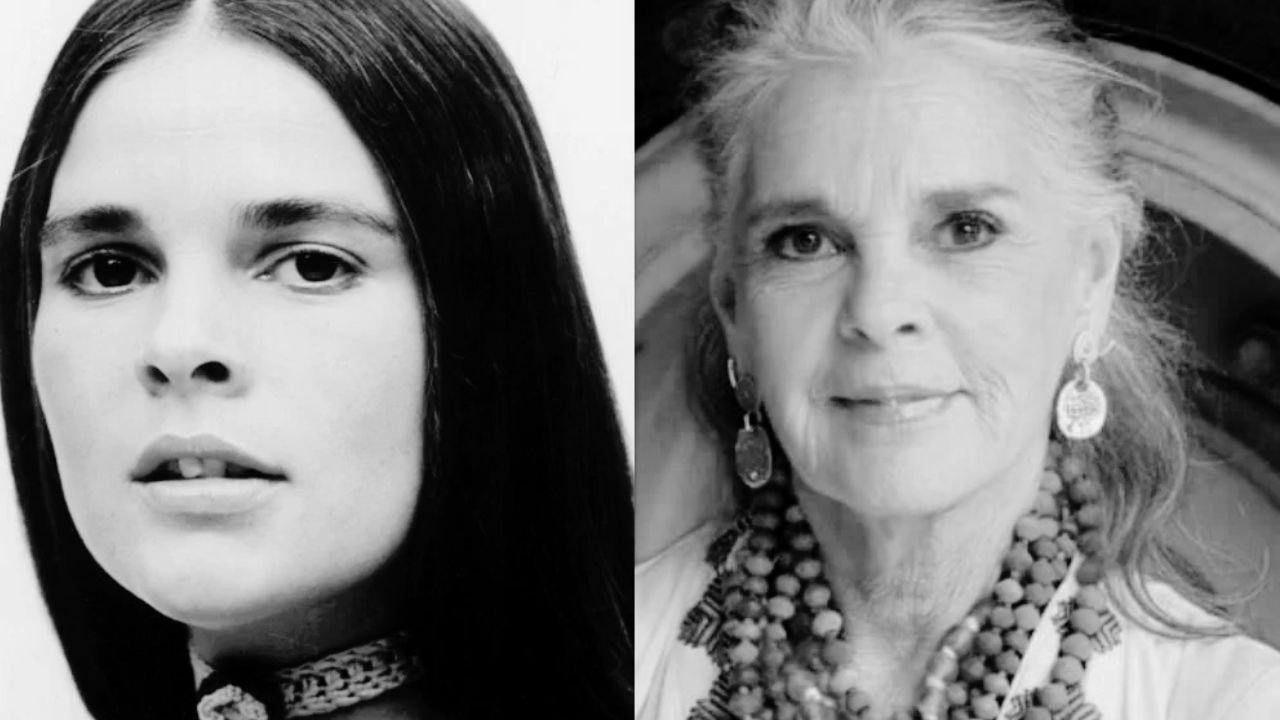
Most people recognize Ali MacGraw from her roles in Love Story and Goodbye, Columbus. But far fewer know the woman who raised her — Frances Klein Macgraw. She was not a Hollywood figure or a public celebrity. She was a working artist and a mother who shaped an artistic household long before her daughter became a household name.
This article covers what is publicly known about Frances — her professional background, her marriage, her children, and her role in the family. It also separates confirmed information from genealogy-based records, so readers know what has stronger sourcing and what should be treated as a useful reference point rather than an established fact.
Who Frances Klein Macgraw Was?
Frances Klein Macgraw was not a public figure in her own right. She is primarily known today because she was Ali MacGraw’s mother. Most of what appears online about Frances comes from genealogy records and biographical profiles written about Ali — not from any public career Frances herself pursued.
Her name appears in different forms depending on the source. Some pages use “Frances Klein MacGraw” with a capital G, while others write “Frances Klein Macgraw.” Both refer to the same person. If you have seen either spelling in your search, you are looking at the same woman.
It is worth setting expectations early. Frances lived a private life. The available record about her is limited, and this article reflects that honestly rather than filling gaps with unsupported detail.
Birth, Death, and Basic Biographical Record
According to genealogy sources, Frances Klein Macgraw was born in Boston in 1901 and died in 1980. These details appear in user-contributed records on platforms like WikiTree and in secondary biographical profiles, including one published on Maracoya.
These are useful reference points, but they come from family-tree style sources rather than formally verified documents like a birth certificate or official obituary. That does not make them wrong — it just means they should be treated as reported information rather than confirmed biographical facts.
If you are researching Frances for genealogy purposes, those dates give you a reasonable starting framework. For anything requiring verified documentation, primary archival sources would be the appropriate next step.
Her Work as a Commercial Artist
Frances is consistently described across available sources as a commercial artist or graphic designer. That description carries some real weight because it appears in a Vanity Fair profile of Ali MacGraw — one of the stronger biographical sources available on the family.
The Vanity Fair piece characterizes both Frances and her husband Richard as commercial artists. It also describes Frances as the household’s main breadwinner, suggesting her work was not just a background detail but a central part of how the family functioned financially.
Secondary sources like Ranker and Maracoya repeat this professional description, though they carry less authority than Vanity Fair. No detailed portfolio, employer history, or list of major design clients exists in the public record. Frances was a working commercial artist — but that is different from being a nationally recognized or famous designer. The available sourcing does not support a larger claim than that.
Marriage to Richard Clark MacGraw and Their Children
Frances reportedly married Richard Clark MacGraw in Manhattan in 1935. That date and location come from genealogy and secondary profile sources, so it should be understood as a reported detail rather than an independently verified one.
Richard is described in published accounts as an artist or commercial artist as well. The couple shared a professional background even if neither of them became a public figure through that work.
Together, Frances and Richard had two children. The more famous is their daughter Elizabeth Alice MacGraw, known publicly as Ali MacGraw, born in 1939. They also had a son, commonly identified as Dick or Richard MacGraw Jr. Both Wikipedia’s entry on Ali MacGraw and the Maracoya profile mention the brother, though detailed biographical information about him is not publicly documented. It is also worth noting that “Dick MacGraw” and “Richard MacGraw Jr.” may refer to the same person — no source currently confirms them as two separate individuals.
The Household Ali MacGraw Grew Up In
Ali MacGraw grew up in Pound Ridge, New York. By most biographical accounts, it was an artistic household shaped by both parents’ work and values.
The Vanity Fair profile, drawing on Ali’s own recollections, describes Frances as disciplined, charitable, and financially responsible for much of the family’s stability. These are characterizations rooted in how Ali remembered and described her mother — they reflect Ali’s perspective and the Vanity Fair writer’s framing, not independently verified conclusions about Frances’s personality.
What does seem clear is that growing up surrounded by two working artists left a mark on Ali. The creative environment Frances and Richard built in Pound Ridge is frequently cited as part of the background that shaped Ali’s sensibility and eventual path into film and fashion.
Many parents of celebrities share a similar profile: they are remembered and described through their famous child’s interviews, memoirs, and profiles rather than through their own public record. Frances fits that pattern closely.
Frances’s Connection to Ali MacGraw’s Later Fame
Frances was not involved in Ali MacGraw’s film career in any documented way. There is no public record of her managing, producing, or directly supporting Ali’s work in Hollywood. Her connection to that world is simply that she raised the person who became a major actress.
Ali MacGraw became known in the late 1960s and early 1970s through films like Goodbye, Columbus (1969) and Love Story (1970). By the time Ali’s name was widely recognized, Frances was already in her late sixties. The two careers and worlds did not overlap in any documented professional sense.
The family’s creative thread did continue into the next generation, though. Ali’s son Josh Evans — born from her marriage to producer Robert Evans — went on to work in acting, directing, producing, and screenwriting. That connection is a natural part of the family’s broader story, but it does not imply that Frances personally shaped or influenced the entertainment industry.
For readers who want to follow celebrity family histories and profiles like this one, Newbusinessdesk covers a range of profiles and background stories in a similarly grounded way.
Why People Search for Frances Klein Macgraw Today?
Frances was a private person, and she did not leave a large public footprint. So why do searches for her name still appear regularly?
The most straightforward answer is that people searching for Ali MacGraw’s background naturally want to know about her parents. When a celebrity’s upbringing is described as shaped by artistic parents, curious readers tend to look those parents up.
Genealogy interest also plays a role. Family researchers use platforms like WikiTree to trace connections, and when a name appears in a famous person’s family tree, it draws more attention than it otherwise would.
Frances Klein Macgraw is a good example of a figure who lives on the edge of public memory — not famous herself, but connected closely enough to someone famous that her name continues to circulate. That is not a small thing. It means her life, at least in outline, is preserved in a way that many private individuals’ lives are not.
What We Can Say With Confidence?
To be clear about what the available record actually supports, here is a straightforward summary:
- Frances Klein Macgraw was Ali MacGraw’s mother.
- She was reportedly born in Boston in 1901 and died in 1980, based on genealogy records.
- She worked as a commercial artist or graphic designer.
- A Vanity Fair profile describes her as the household’s main breadwinner.
- She married Richard Clark MacGraw, reportedly in Manhattan in 1935.
- She and Richard had two children: Ali MacGraw and a son commonly identified as Dick or Richard MacGraw Jr.
- The family lived in Pound Ridge, New York, in an artistic household.
What the record does not support: a detailed portfolio of her design work, a list of professional clients or employers, direct involvement in Ali’s film career, or confirmed details about her personal beliefs, background, or private life beyond what Ali has described in interviews and profiles.
A Private Life, a Public Name
Frances Klein Macgraw spent her life as a working artist and a mother, not as a celebrity. She raised a daughter who became one, and that connection is what brings her name into public searches today.
The honest picture is a modest one: a woman who worked in commercial art, supported her household, and raised her children in an environment that valued creativity. That is not a small life — it is simply a private one. And given the limited documentation available, treating it with care and accuracy is the most respectful way to tell it.
Also Read: