

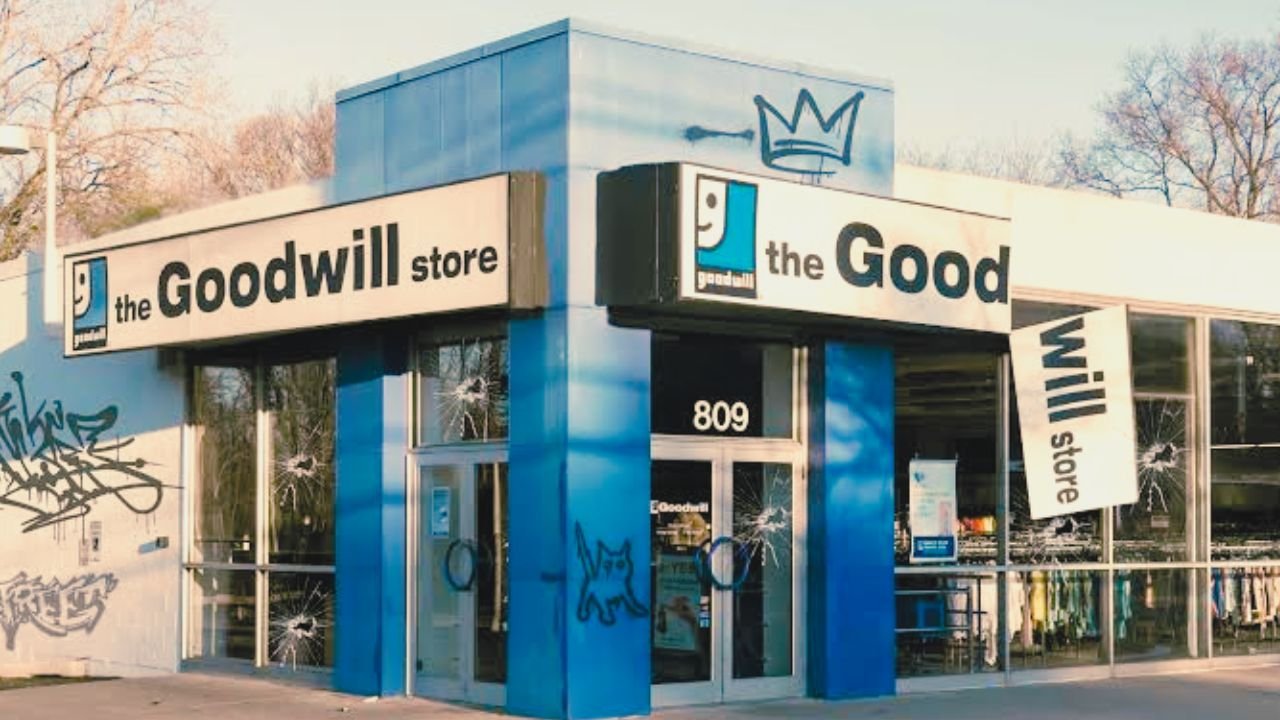
If you’ve seen headlines about Goodwill stores closing, you’re not alone in wondering what’s going on. It’s easy to read “Goodwill shuts down locations” and assume the whole organization is falling apart. But the reality is more specific — and less alarming — than those headlines suggest.
This article breaks down whether Goodwill is actually closing, why certain stores are shutting down, what’s driving those decisions, and what it means for shoppers, donors, and employees.
Goodwill Is Not Shutting Down — But Some Locations Are Closing
Let’s be direct: Goodwill Industries International is not bankrupt. There is no credible evidence it’s on the verge of a total shutdown. The organization continues to operate hundreds of stores and service programs across the country.
Here’s the part most headlines miss. Goodwill is not one centrally run company. It’s a network of independently operated regional nonprofits that all operate under the Goodwill name. Each regional Goodwill manages its own finances, staff, and locations.
Think of it like a franchise. If a few McDonald’s locations close in Ohio, that doesn’t mean McDonald’s is going out of business. The same logic applies here. When a Goodwill in California closes a handful of stores, it has no direct impact on a Goodwill affiliate operating in Texas or Florida.
Closures in one region are regional decisions. They don’t signal a national collapse.
The Real Numbers Behind the Recent Store Closures
There have been real closures, and they’re worth knowing about. But the scale is targeted, not catastrophic.
In 2024, 13 Goodwill stores and donation sites closed in California, primarily in the San Francisco Bay Area and surrounding regions. Nearly 100 employees were laid off as a result. A Goodwill spokesperson stated that these closures happened where store revenues were no longer covering operational and personnel costs.
Separately, reports indicate that Goodwill Industries International announced plans to close 15 retail locations across the U.S. as part of what the organization described as an “operational transformation.” This is a deliberate, structured pullback — not a scramble caused by sudden collapse.
There have also been individual store closures tied to site-specific problems. A Goodwill in Tyrone, Pennsylvania closed permanently due to escalating operational expenses. A Goodwill outlet in Memphis began liquidation sales before shutting its doors.
In Canada, 16 stores and 10 donation centers in Southern Ontario temporarily closed due to a regional cash-flow crisis, affecting around 450 staff members. That event was separate from U.S. closures and involved its own set of regional circumstances.
None of this amounts to a national collapse. These are specific, localized decisions made by individual affiliates facing local financial pressure.
Why Specific Goodwill Stores Are Closing
Goodwill is a nonprofit, but it still operates like a retailer in many ways. Every store has to cover rent, wages, utilities, insurance, and security. When those costs outpace what a store brings in from sales, the store becomes a financial drain.
Several factors have made certain locations hard to sustain:
- Rising costs: Rent, wages, and insurance have gone up sharply in urban markets. A store in a high-cost city needs much higher sales volume just to break even.
- Theft and safety issues: Some locations have faced ongoing theft, property damage, and safety concerns that made continued operation financially unsustainable.
- Fewer donors: In some regions, donor engagement reportedly dropped around 40% since early 2023, while operational costs climbed roughly 15% over the same period.
- Store layout limitations: Some locations simply lack the size or layout to process and sell enough volume to stay profitable.
A store can look busy and still lose money. High foot traffic doesn’t automatically mean high revenue. If a location in an expensive neighborhood brings in $30,000 a month in sales but costs $45,000 a month to run, it cannot stay open — nonprofit status doesn’t change that math.
The California situation makes this clear. Goodwill reported $116 million in donations in 2024 — a strong number. Yet 13 locations still closed. High donation volume across the organization doesn’t guarantee that each individual store is financially viable on its own.
What Closed Online and What Still Works
Part of the “Goodwill is closing” story involves its online operations, which is worth clearing up on its own.
Goodwill shut down GoodwillFinds, an e-commerce marketplace it launched to centralize online sales. According to reporting from TheStreet, the site was closed because it wasn’t generating enough interest from buyers.
But ShopGoodwill — Goodwill’s auction-style online platform — remains active and continues to be its primary online sales channel. Thousands of items from regional Goodwill affiliates are listed and sold there regularly.
This is a good example of what’s actually happening at a broader level. Goodwill tried something, it didn’t work well enough, and they cut it. That’s not a sign of collapse — it’s a normal business adjustment. The core operation continues.
What This Means for Shoppers, Donors, and Employees
For Shoppers
If your local Goodwill is still open, nothing has changed for you. If you’ve heard about closures in your area, check the regional Goodwill website or call ahead before making a trip. Store closures happen at the individual location level, not all at once.
For Donors
Goodwill still accepts donations at most of its active locations and donation centers. If a nearby location has closed, you can find the next closest option through your regional Goodwill’s website. Other nonprofits — local shelters, Salvation Army, community thrift stores — are also worth considering if your nearest Goodwill is no longer operating.
For Employees
Store closures have had real consequences for workers. The California closures led to roughly 100 layoffs. The Ontario closures affected around 450 staff. In some cases, employees reportedly learned about closures on short notice, which created significant hardship.
These are real impacts on real people, and they shouldn’t be minimized. But they reflect regional decisions by independent affiliates — not a sign that Goodwill employment programs are ending nationwide.
How to Tell Whether a Closure Is Local or Something Bigger
When you see a headline like “Goodwill closing stores,” here’s how to read it accurately:
- Check which region or city the article is about. Is it one state? One city? One store?
- Look for the name of the specific Goodwill affiliate. Regional names like “Goodwill of Silicon Valley” or “Memphis Goodwill Inc.” tell you it’s a local decision.
- Look at the scale. One store closing in Pennsylvania is not the same thing as 100 stores closing nationally.
- Check whether any other Goodwill locations in nearby areas are unaffected or even expanding.
If a single Goodwill location closes in your county, there’s a good chance the next county over has one that’s operating normally. Viral headlines rarely make that distinction clear.
For more coverage of how businesses and nonprofits are adapting in a tough economic climate, New Business Desk covers these shifts with straightforward reporting.
The Bottom Line
Goodwill is not going out of business. Some stores are closing, and the reasons are real: rising costs, lower donor participation in certain areas, theft, and site-specific financial problems. Those closures affect employees and communities in meaningful ways.
But the broader organization — a network of hundreds of independently run regional nonprofits — remains active. The national plan to close 15 locations is a structured pullback, not a collapse. Shutting down GoodwillFinds while keeping ShopGoodwill running is a pivot, not a retreat.
What you’re seeing is an organization making hard choices to stay financially stable in markets where costs have outpaced revenue. That’s a problem worth paying attention to — but it’s a very different story from “Goodwill is going out of business.”
If you’re concerned about a specific location near you, the fastest way to get accurate information is to check the regional Goodwill website directly or look at their local social media pages. Don’t rely on national headlines to tell you what’s happening in your neighborhood.
Also Read: