

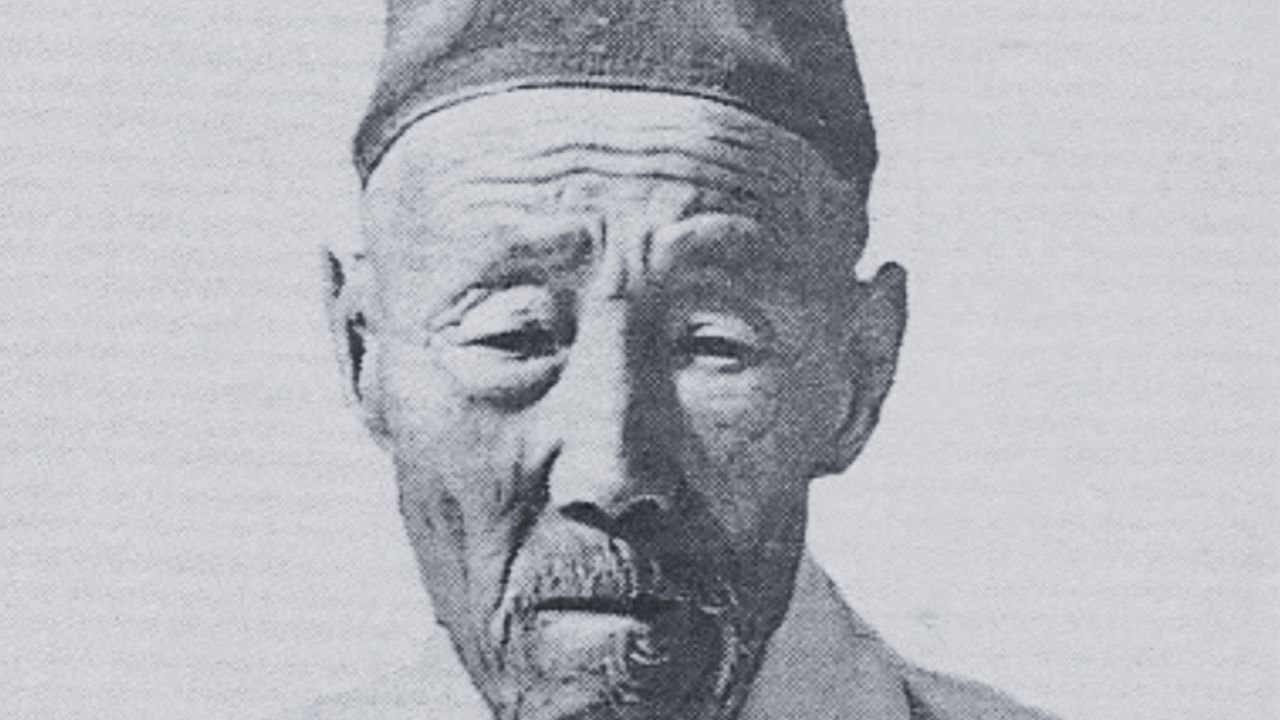
Start by understanding the pivotal role Kim Bo-hyon plays in North Korean history. He stands as a critical figure within the Kim family lineage, one of the world’s most noted dynastic regimes. His significance derives from his direct ties to the prominent leaders of North Korea. Serving as the paternal grandfather to Kim Il Sung, the great-grandfather of Kim Jong Il, and the great-great-grandfather to the current leader Kim Jong Un, his influence spans generations. Here’s why this matters: by comprehending Kim Bo-hyon’s background, one gains insight into the foundational roots of the Kim dynasty, essential for anyone interested in Korean history and politics.
Personal Background
Kim Bo-hyon was born on 3 October 1871 in Mangyongdae, an area now encompassed within the boundaries of Pyongyang, North Korea. Understanding this background provides a glimpse into the familial and regional influences that shaped his life and indirectly molded the perspectives of his descendants. His early years, spent during a time of considerable change on the Korean Peninsula, are important. This period saw the decline of the Joseon dynasty and the beginning of Japanese influence, which adds layers of complexity to the sociopolitical environment he was born into. Throughout his life, Kim remained tied to his roots in Mangyongdae, which also became a historic site of reverence for the Kim family’s legacy. His lifespan extended until 2 September 1955, when he passed away at the age of 83 in Pyongyang.
Family Connections
The process involves exploring Kim Bo-hyon’s family connections to grasp the strategic importance of his lineage. As previously noted, he was the paternal grandfather of Kim Il Sung, North Korea’s founding leader, heralded as a revolutionary hero who established the country’s current structure. His direct lineage continued to wield power, with Kim Jong Il and then Kim Jong Un assuming leadership roles, thus solidifying the family’s enduring governance and influence. Considering this familial framework is crucial for analyzing the consolidation of power within the Kim dynasty. It highlights the inherited legitimacy and the tightly controlled narrative that positions the family not just as political leaders, but as central cultural icons within North Korean society.
Professional Life
Kim Bo-hyon’s professional life centered around agriculture; he was a farmer in South Pyongan Province. While his role might seem modest, it holds significant value in understanding rural life in the Korean Peninsula during his era. The process of farming during that time would have required resilience and adaptability – traits arguably passed down through generations. Despite the limited scope of his professional endeavors, Bo-hyon’s dedication to his family and his community laid the groundwork for the values of self-reliance and perseverance prominently featured in North Korean propaganda.
Variations in Records
Exploring the variations in historical records allows for a more nuanced understanding of Kim Bo-hyon’s life. Given different sources, slight discrepancies exist, including those found on platforms like MyHeritage, which offer slightly varied dates of significant life events. Such inconsistencies remind researchers and historians of the delicate nature of historical record-keeping, particularly in areas under tight state control. The majority consensus on his lifespan still aligns with the 1871–1955 timeframe, affirming his role in the lineage. Engaging critically with these sources illustrates the importance of verifying historical details, showcasing the necessity of cross-referencing datasets to maintain compliance with factual integrity.
Conclusion
Kim Bo-hyon’s impact and legacy within North Korean history remain significant. By anchoring the Kim family’s leadership trajectory, he set the foundational ideological and relational framework that his successors would capitalize on as they shaped the country’s policies and narratives. Reflecting on his life brings clarity to the larger picture of North Korea’s unique hereditary succession, characterized by its blend of familial loyalty and political strategy. For individuals interested in understanding global dynastic politics or the specifics of North Korean governance, Kim Bo-hyon provides an essential starting point.
Family Tree Profile (Optional)
If you are interested in a more visual representation, consider exploring or even constructing a family tree of Kim Bo-hyon’s immediate relatives. This profile can highlight the verified dates and familial roles, offering a more tangible understanding of how individual members connect within the larger tapestry of North Korean history. Using resources like online genealogical databases can be a practical start, offering another layer of insights for those invested in the trajectory of one of the world’s most enduring political families. For entrepreneurs interested in exploring the intersection of history, politics, and data analysis, tools for creating comprehensive family genealogies like these can also be adapted for business lineage mapping, illustrating strategic planning across generations. For additional resources on practical applications in research and strategy, visit New Business Desk for actionable insights.
Also Read: