

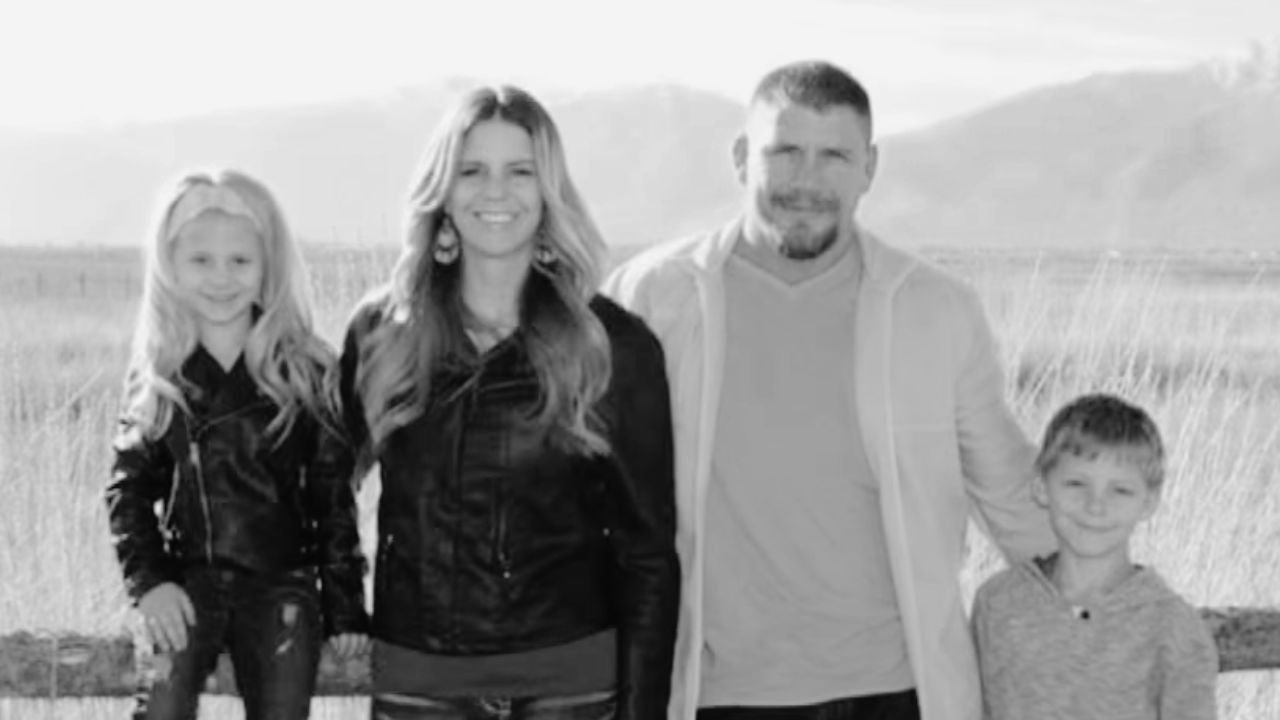
In 2014, the tragic events involving Kelly King, also known as Kelly Boren, and Joshua Boren in Utah left a lasting imprint on society. This article explores the case that gripped many, delving into the circumstances of the incident and its substantial impact. Understanding the intricacies of this case is crucial for those interested in public safety and community welfare. The implications of such events extend beyond immediate family and friends, urging a closer examination of factors contributing to such tragedies.
Background Information
Kelly King, later known as Kelly Boren, was of British origin, and her life has sadly been remembered due to tragic circumstances. Known for her dedication as a mother, Kelly moved to Utah, where she committed herself to her family. As a mother of two young children, Joshua and Haley, she was deeply involved in ensuring a nurturing home environment. Her family underscored a typical dynamic, with Kelly focusing on providing both love and stability. Kelly’s story, unfortunately, took a heartbreaking turn when her life and those of her children were cut short at the age of 32, shifting the lens of attention onto her life and the events leading up to it.
The Utah Family Incident
The 2014 Utah family shooting incident centers around Joshua Boren, a former police officer. On January 16, Joshua committed a heinous act, taking the lives of his wife, Kelly, his two children, his mother-in-law, and ultimately himself. The event unfolded in their Utah home, sparking horror and disbelief in the community. Initial reports outline a chilling sequence of events that flowed from troubled family dynamics, with Joshua’s actions rooted in unresolved issues and deteriorating mental health. Understanding the sequence leading to the incident provides critical insights into recognizing early signs and preventing similar events.
Investigation Findings
Investigations into the incident revealed several concerning aspects about Joshua’s history and mental state. Police reports highlighted previous domestic disputes and potential psychological disturbances. Authorities noted that these warning signs went largely unaddressed, culminating in the tragic events that unfolded. The media response was immediate and intense, leading to widespread discussions about law enforcement’s role in identifying potential threats within their ranks. The findings prompted calls for improved vetting processes and mental health support for individuals in high-pressure occupations.
Implications and Impact
The events surrounding Kelly King and Joshua Boren have sparked significant discussions on public safety, domestic violence, and mental health awareness. For public safety officials, understanding the signs of potential domestic violence or mental health struggles has become paramount. Communities have since rallied for better resources and support systems to prevent similar tragedies. Educational programs and policies have been implemented in various communities to increase awareness and provide support to those in need. The incident served as a wake-up call, underlining the necessity of addressing underlying issues before they escalate into irretrievable outcomes.
Clarifications on Name Ambiguities
A critical factor in discussing the events is the potential confusion surrounding Kelly King’s name. The mix-up with the name “Kelly King Joshua” can lead to misunderstandings, highlighting the importance of clarity when discussing public records and events. Kelly King, often known as Kelly Boren, was unexpectedly placed into a narrative that did not involve other public figures with similar names. Precision in records and understanding the context ensures that individuals are accurately identified, correctly representing their stories and avoiding unnecessary confusion.
Further Research Opportunities
The case of Kelly King and Joshua Boren opens the door to further research in several key areas. Exploring the intersection of mental health issues and domestic violence provides fertile ground for inquiry. Scholars and community leaders could also focus on developing more robust support structures within law enforcement agencies. There is a pressing need for research into how familial dynamics affect decision-making in high-pressure situations. Those affected by similar situations could benefit from longitudinal studies highlighting effective community support mechanisms and policy development, aiding in prevention and intervention strategies.
Conclusion
The tragedy involving Kelly King and Joshua Boren is a stark reminder of the complexities surrounding domestic violence and mental health. By recognizing the signs and understanding the contributing factors, communities can work towards preventing such events from occurring again. The importance of clear and precise communication about such incidents cannot be overstated. Addressing ambiguities, supporting further research, and reinforcing preventative measures can guide society towards a safer, more informed future.
Appendix
For those seeking support or further information on dealing with domestic violence or mental health concerns, resources are available. Consulting with professionals and reaching out to community support groups can provide crucial assistance. It is vital to maintain open lines of communication and engage with authorities when concerns arise.
For more information on building stronger community frameworks and accessing mental health support systems, you may visit this link. Engaging with these resources provides individuals and community leaders with the tools necessary to foster a safer, more informed society.
Also Read: