

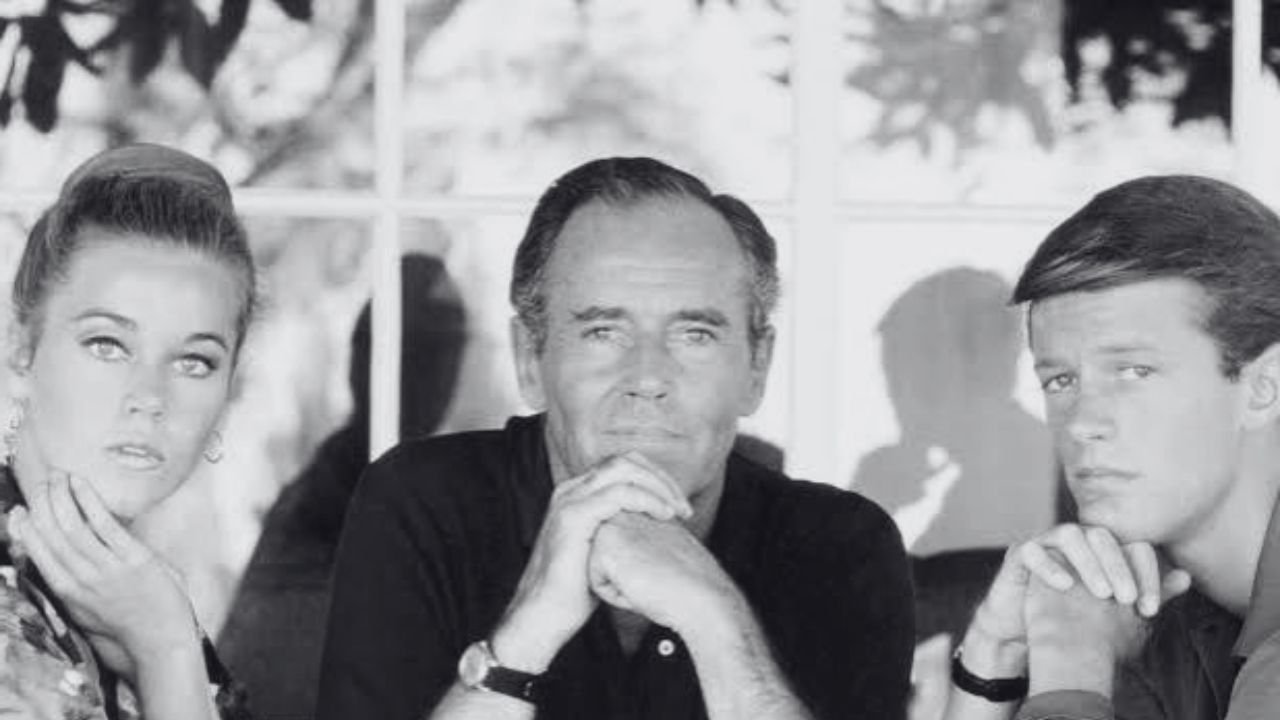
Frances Ford Seymour Brokaw, an emblematic figure of 20th-century high society, led a life marked by noteworthy relationships and personal triumphs. Recognized primarily as a Canadian-American socialite, her marriages to prominent individuals and contributions to her offspring’s successes establish her as an influential presence in cultural history. Here, we explore Seymour’s life journey, understanding her roles as a mother, wife, and individual who navigated the complexities of social expectations in her era.
Early Life and Background
Understanding Frances’ early life begins with her birth in Brockville, Ontario, Canada, on April 4, 1908. This background formed the foundation of her identity as a Canadian-American, crucial in shaping her social standing and transatlantic connections. Frances transitioned from her Canadian roots to become an influential socialite in American society, a journey marked by adaptation and strategic social integration.
Marriage to George Tuttle Brokaw
On January 10, 1931, Frances married George Tuttle Brokaw, a union that was significant both personally and socially. Brokaw, a prominent figure, provided Frances with her first entry into influential American society. Their daughter, Frances de Villers Brokaw, born in 1931, often affectionately called “Pan,” became a central figure in Frances’ life. This marriage positioned her within a network of privilege and influence, influencing her social and familial roles.
Life After George Tuttle Brokaw
Following George Brokaw’s untimely death in 1935, Frances faced the challenges of widowhood during a transformative period. This shift in her marital status required resilience and adaptation, impacting both her social standing and personal identity. As a widow, Frances not only maintained her societal presence but also managed her roles as a mother, balancing responsibilities with grace and determination.
Marriage to Henry Fonda
In 1936, Frances’ life took another significant turn as she married acclaimed actor Henry Fonda. Their union brought Frances into the spotlight as a part of a high-profile Hollywood family. This marriage not only redefined her societal position but also shaped the dynamics of their burgeoning family. Together, they navigated the complexities of fame, managing to maintain their family’s stature in a demanding social landscape.
Motherhood and Legacy
Frances Ford Seymour Brokaw’s role as a mother profoundly influenced her legacy. With Henry Fonda, she had two children: Jane Fonda and Peter Fonda, both of whom achieved immense success in their artistic careers. Frances’ maternal influence is evident in her children’s distinct paths, highlighting her impact on their lives and careers. Her nurturing, combined with strategic navigation of societal expectations, equipped her children with the tools they needed for success in the public eye.
Tragic End and Circumstances of Death
On April 14, 1950, Frances’ life came to a tragic end in Beacon, New York. Reports indicate she died by suicide, a heartbreaking event that underscored the personal struggles she faced. Her death, at a sanitarium, sheds light on the mental health challenges she endured, emphasizing the need for awareness and compassion in understanding such complexities. This event marked a poignant conclusion to her life, leaving a lasting impact on her family and those who knew her.
Concluding Thoughts
Frances Ford Seymour Brokaw’s life remains a testament to her resilience, societal influence, and maternal dedication. Her story provides insights into the complexities faced by women in high society, navigating public and private spheres with poise and perseverance. Her enduring legacy through her children’s achievements attests to her influence and contributions, both as a mother and as an individual navigating societal expectations.
Optional: Frances Ford Seymour Brokaw’s Family Tree
To better visualize Frances Ford Seymour Brokaw’s immediate family, consider the following structure:
- Frances Ford Seymour Brokaw (B. 1908, D. 1950)
- First Marriage: George Tuttle Brokaw (Marriage in 1931)
- Daughter: Frances de Villers Brokaw (“Pan”)
- Second Marriage: Henry Fonda (Marriage in 1936)
- Children: Jane Fonda (B. 1937), Peter Fonda (B. 1940)
By understanding these relationships, we gain a clearer perspective on Frances’ impact and the family dynamic that shaped her legacy. For additional insights into similar historical and biographical narratives, consider exploring resources like this informative guide to enhance your understanding of influential figures in history.
Also Read: