

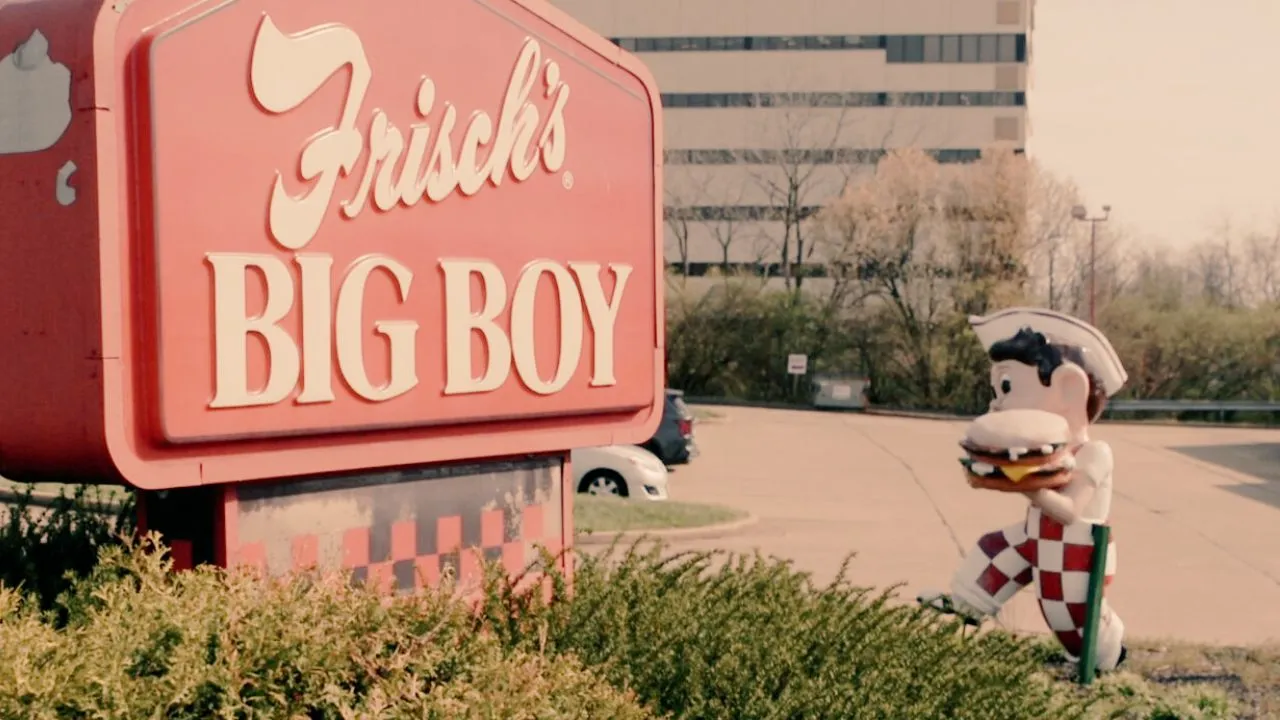
Customers across Ohio and Kentucky are pulling into empty Frisch’s parking lots, finding locked doors and closure signs. Yet the brand hasn’t announced a complete shutdown. So what is actually going on?
This article breaks down the real status of Frisch’s Big Boy, why so many locations are closing, how a 2015 ownership deal created today’s financial problems, and what the brand’s future might look like.
Frisch’s Is Not Fully Closed, But It’s in Serious Trouble
Let’s answer the main question directly: Frisch’s Big Boy has not gone out of business entirely. The company still operates as a corporate entity and brand, now headquartered in Atlanta.
But that doesn’t mean things are fine. Dozens of individual locations across Greater Cincinnati, Dayton, and Kentucky have closed or face imminent closure. The restaurant footprint has shrunk significantly over the past two years.
This distinction matters. The company exists, but if your local Frisch’s just closed, it’s understandable to think the whole chain is collapsing. That perception isn’t entirely wrong — the scale of closures is serious — but it’s not the complete picture either.
Regional media has compiled lists showing a mix of permanently closed locations, stores still at risk, and a smaller group still operating. The situation is fluid and continues to change.
A 2015 Private Equity Deal Changed Everything
To understand why Frisch’s is struggling now, you need to go back to 2015. That year, Atlanta-based private equity firm NRD Capital acquired Frisch’s Restaurants Inc. for approximately $175 million, taking it private.
Shortly after the acquisition, Frisch’s sold the real estate of 74 out of 121 stores to a Florida-based company — now known as NNN REIT LP — for about $47 million. This is called a sale-leaseback arrangement.
Here’s how to think about it: imagine selling your house for a lump sum of cash, then signing a lease to keep living in it. You walk away with money in hand, but now you owe rent every month. When your income is strong, that works. When your income drops, you’re in trouble — even though you used to own the place outright.
That’s exactly what happened to Frisch’s. The sale-leaseback generated short-term cash after the buyout, but it locked the company into long-term rent obligations across dozens of locations. Experts quoted in the WCPO I-Team’s investigative report pointed to this deal as a key factor in the company’s current vulnerability.
When restaurant sales weakened — due to the pandemic, rising labor costs, changing dining habits, and inflation — those rent payments became harder and harder to cover.
Unpaid Rent, Eviction Filings, and the Wave of Closures
The financial pressure turned into a legal crisis. Court documents reviewed by Local 12 show Frisch’s owes landlords more than $4 million in unpaid rent. A dozen or more locations have already been evicted, with that number described as growing.
At one point, up to 20 Greater Cincinnati locations were reported in jeopardy due to eviction filings. That includes stores in Lebanon, Franklin, Anderson, Loveland, Bethel, Hillsboro, Fairfield, and Green Township — all served with eviction papers.
Some of the closures carry real weight in the local community. The Frisch’s Mainliner on Wooster Pike — a location that had been open for roughly 85 years — closed in December 2024. The closure came after a court order requiring the restaurant to vacate within 10 days. Five additional locations closed around the same time following the same court order.
The situation in Kentucky followed a similar pattern. Multiple Lexington locations — including stores on Harrodsburg Road, Winchester Road, and in Hamburg — closed within a single week. A local manager attributed the closings directly to a landlord dispute over late rent payments. Other Kentucky locations in Georgetown, Frankfort, London, and Louisville were reported as still open, at least for the time being.
Across the board, the core problem is the same: Frisch’s can’t cover the rent on locations it no longer owns but still operates from. The 2015 real estate sale that looked like a smart cash move a decade ago is now at the center of nearly every closure.
What Frisch’s Leadership Said vs. What Happened on the Ground
One reason consumers are confused about whether Frisch’s is “going out of business” comes down to mixed signals from leadership.
Earlier in the crisis, Frisch’s CEO stated publicly that the company had “no intentions to close any additional restaurants at this moment.” That was a clear, reassuring message.
Shortly after, reporting revealed that nearly 25% of Frisch’s locations were behind on rent. The company later acknowledged more closures were coming — directly contradicting the earlier statement.
This gap between public messaging and what’s happening on the ground is a pattern that shows up in many struggling retail and restaurant chains. Leadership often tries to project stability to avoid accelerating customer loss and employee departures. But when the operational reality doesn’t match the public message, it creates confusion and erodes trust faster than a quiet acknowledgment of problems would have.
For anyone trying to make sense of conflicting news reports about Frisch’s — some saying it’s fine, others showing closures everywhere — this is why. The official message and the ground-level reality have not matched up.
Could Frisch’s Come Back?
The situation isn’t entirely without hope, though the picture is complicated.
In March 2025, the CEO of Big Boy Restaurant Group — the broader Big Boy brand, which is related to but separate from Frisch’s — told The Cincinnati Enquirer that the group planned to reopen up to 55 shuttered Frisch’s locations. This was framed as a comeback strategy, even as legal disputes with landlords continue.
What that would look like in practice isn’t fully clear. Some locations could reopen under different ownership structures or slightly different branding. Others may not come back at all. The legal and financial fights are ongoing, and plans announced publicly don’t always survive contact with courtrooms and creditors.
For business observers, this part of the story is familiar too. Chains in financial distress often see third parties step in to acquire or license the brand and attempt a relaunch. Sometimes it works. Sometimes the brand is too damaged or the economics don’t improve. Frisch’s outcome likely depends on whether those rent obligations can be renegotiated and whether foot traffic can return to reopened locations.
If you’re tracking business turnarounds or restaurant industry trends, resources like New Business Desk cover these kinds of ownership shifts and financial restructurings in practical terms.
What This Means for Customers and Communities
For the people who grew up eating at Frisch’s, this isn’t just a business story. Locations like the Mainliner had been serving the same communities for 80 or 85 years. When those close, it genuinely is the end of something.
Closure signs at many locations direct customers to other still-operating Frisch’s restaurants. That’s a signal that the company isn’t treating every closure as a full exit — but it’s cold comfort if the nearest remaining location is 30 minutes away.
The COVID-19 pandemic also played a role. In 2020, Frisch’s closed seven locations and converted seven others to drive-through or carryout only. That early contraction weakened the company before the rent crisis fully took hold. Blaming any single factor for the current situation would be too simple — it’s the combination of the sale-leaseback structure, the pandemic’s economic damage, rising costs, and changing dining habits that put the chain where it is today.
The Bottom Line
Frisch’s Big Boy is not completely out of business, but it is dealing with a serious and ongoing financial crisis. The combination of a private equity acquisition, a sale-leaseback real estate deal, and weakening restaurant sales created a rent debt the company has struggled to pay. The result has been evictions, court orders, and closures across dozens of locations in Ohio and Kentucky.
Whether the chain stabilizes or continues to shrink depends on how ongoing legal disputes are resolved and whether efforts to reopen shuttered locations under the Big Boy brand actually materialize.
For now, if you have a Frisch’s near you that’s still open, the safest assumption is to check before you go. The situation is still moving, and more changes may be coming.
Also Read: