

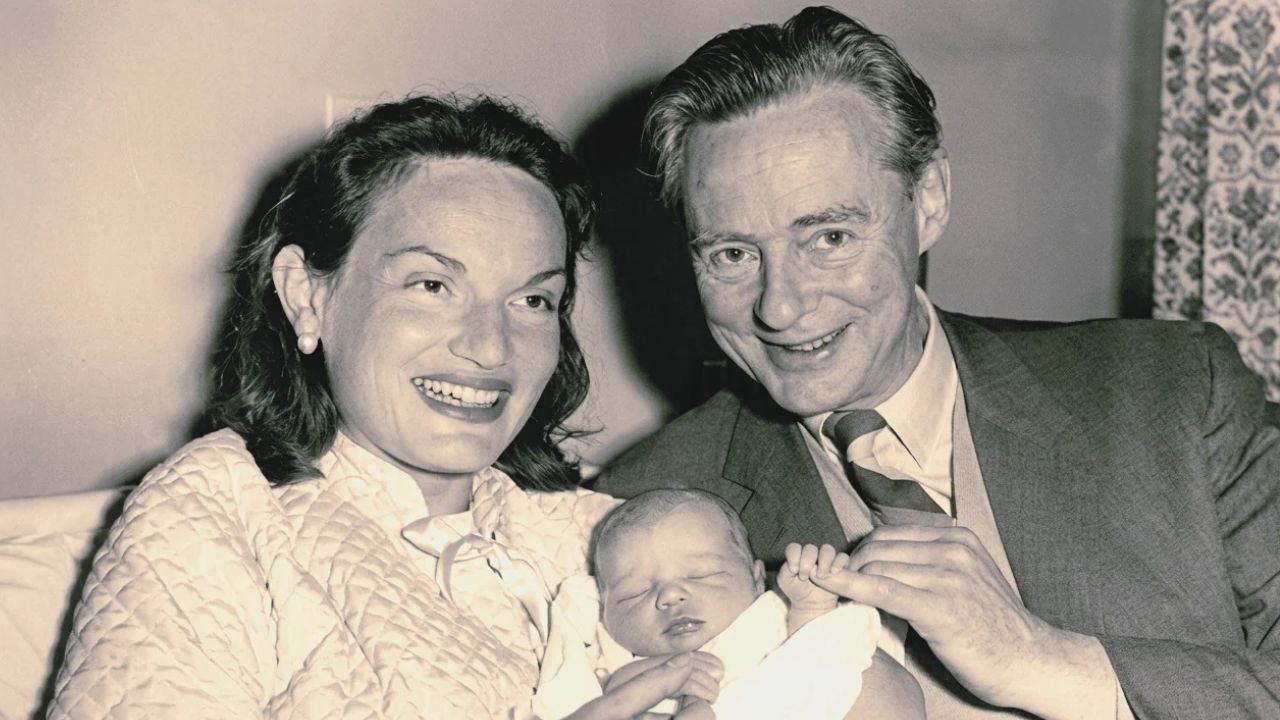
The name Amanda Clunes surfaces in online genealogy databases from time to time, and when it does, it tends to spark questions. Is she a public figure? Is she related to someone famous? Why does her name appear with so little context?
This article walks through what the available public record actually shows, where the name turns up online, and how to think about those results responsibly. It also covers what a careful researcher should and should not conclude when they encounter this name.
Who Amanda Clunes Appears to Be Based on Public Records?
To be straightforward about it: Amanda Clunes is not a confirmed public figure. No reliable biography, verified birth date, occupation, or public profile exists for her in the sources available.
Her name appears in genealogy-related search environments, not in news coverage, entertainment databases, or any other form of public record that would point to a known individual with a documented life story.
That does not mean she does not exist as a real person. It simply means the available record is limited. She may well be a private individual whose name has been captured in a family tree or historical document. Until a credible public source confirms otherwise, that is the most reasonable way to treat her.
Where the Name Amanda Clunes Shows Up Online?
The most common place readers encounter this name is on MyHeritage, specifically through its name-directory pages. These pages surface names that appear in historical records and user-submitted family trees hosted on the platform.
MyHeritage also has a family tree collection, which contains individuals submitted by members who are researching their own ancestry. The platform itself does not independently verify these entries. They reflect what contributors have found or believe to be true based on their own research.
In plain terms, a name-directory listing is a research lead. It is not a biography, and it is not proof that any specific detail about that person is accurate.
WikiTree, another collaborative genealogy project, lists approximately 58 people associated with the Clunes surname. That number makes clear that Clunes, while not a common surname, belongs to many distinct individuals spread across different time periods and locations. That context matters when trying to figure out who a specific Clunes might be.
Is Amanda Clunes Related to Actor Martin Clunes?
This is probably the main reason most people search this name. Martin Clunes is a well-known British actor and television presenter, best recognized for his role as the grumpy but likeable Dr. Martin Ellingham in Doc Martin, and earlier as Gary in Men Behaving Badly. He has had a long and visible career in British television.
However, no source currently available establishes any documented relationship between Amanda Clunes and Martin Clunes. None.
A shared surname is not proof of kinship. That is especially important to keep in mind with a surname like Clunes, which, while uncommon, still belongs to dozens of recorded individuals across different families and generations.
Celebrity family trees are also frequently copied from one genealogy platform to another. When that happens, unverified or inaccurate links can spread quickly. Someone may have placed Amanda Clunes near a famous Clunes family member in a submitted tree, but without supporting records, that connection cannot be accepted as fact.
If you have come across a source claiming Amanda Clunes is related to Martin Clunes, it should be supported by civil records, census data, or another independent primary source before you treat it as reliable. Without that, it is speculation.
How Genealogy Databases Work — and Why That Matters Here?
MyHeritage hosts billions of historical records and family-tree entries. That is an impressive scale, but platform size does not validate any individual entry. A name appearing in a large database just means it was submitted or indexed — nothing more.
User-submitted family trees reflect what contributors believe or have found in their own research. They are useful starting points, but they are not conclusions. A profile may appear because a member submitted it, because it was indexed from a historical document, or because it was inferred from a related record.
WikiTree operates as a collaborative project where entries can be edited and updated over time. That flexibility is one of its strengths, but it also means source citation is especially important. An entry without cited sources is harder to evaluate.
The practical difference comes down to this: a user-submitted tree entry and a civil registration document are not the same type of evidence. A birth certificate, a census record, a marriage notice in a contemporaneous newspaper — these carry more weight than a tree entry that one person typed in and no one has independently verified.
That distinction matters for anyone trying to confirm whether Amanda Clunes belongs to a specific family line.
How to Verify a Clunes Family Connection Properly?
If you are genuinely researching Clunes ancestry, or trying to confirm whether a specific Amanda Clunes belongs to a family you are tracing, the process is methodical rather than quick.
Match more than just the name
Full names can and do repeat across unrelated families. When evaluating a potential match, look for alignment across multiple details: approximate dates, geographic locations, parents, spouses, and children. A name alone is not enough.
Look for the same person in more than one source
If a family tree says Amanda Clunes was born in a particular place or is the daughter of named parents, look for a birth registration, census entry, or other document that independently supports those details. One user-submitted tree confirming another user-submitted tree is not independent verification.
Use primary sources where possible
Civil registration records, census records, church records, probate documents, and contemporary newspaper notices are generally stronger evidence than anything derived or copied from another tree. Many of these records are available through genealogy platforms, national archives, and local registries.
Apply location and date filters
Because the Clunes surname belongs to multiple people across different eras and countries, adding location and time-period filters to your search will help you narrow down whether the Amanda Clunes in a given record could plausibly match the person you are researching.
Be cautious about celebrity-adjacent entries
If a tree places Amanda Clunes close to a well-known public figure, treat that placement with extra skepticism. Celebrity-linked trees attract more attention and more copying, which increases the risk of inaccurate links persisting and spreading. As noted by NewBusinessDesk, verifying claims through primary sources is essential before drawing firm conclusions — and that principle applies just as much to genealogy research as it does to any other kind of factual investigation.
What You Can Reasonably Conclude?
Based on what is publicly available, here is what can be said responsibly about Amanda Clunes:
- Her name appears in genealogy-related platforms, particularly MyHeritage’s name directory and family tree collections.
- She does not have a confirmed public profile, biography, or celebrity status.
- There is no documented evidence linking her to Martin Clunes or any other public figure.
- She is most likely a private individual, and should be treated as such unless a credible public source says otherwise.
- The Clunes surname, while uncommon, belongs to dozens of distinct individuals — meaning surname alone cannot establish a family relationship.
None of that makes her name any less worth investigating if she appears in your own family research. It just means the investigation needs to be done carefully, with appropriate sources and without assumptions.
Final Thoughts
Encountering a name like Amanda Clunes in an online database can feel promising, especially if you are hoping to map out a family connection or trace a Clunes family line. But genealogy research rewards patience and evidence, not quick conclusions.
The absence of a confirmed biography does not mean she is unimportant to someone’s family history. It simply means the public record is thin, and the work of verification falls to the researcher. Treat the name as a lead, follow it with primary sources, and resist the temptation to fill in gaps with guesswork.
That approach will serve you much better than any shortcut.
Also Read: