

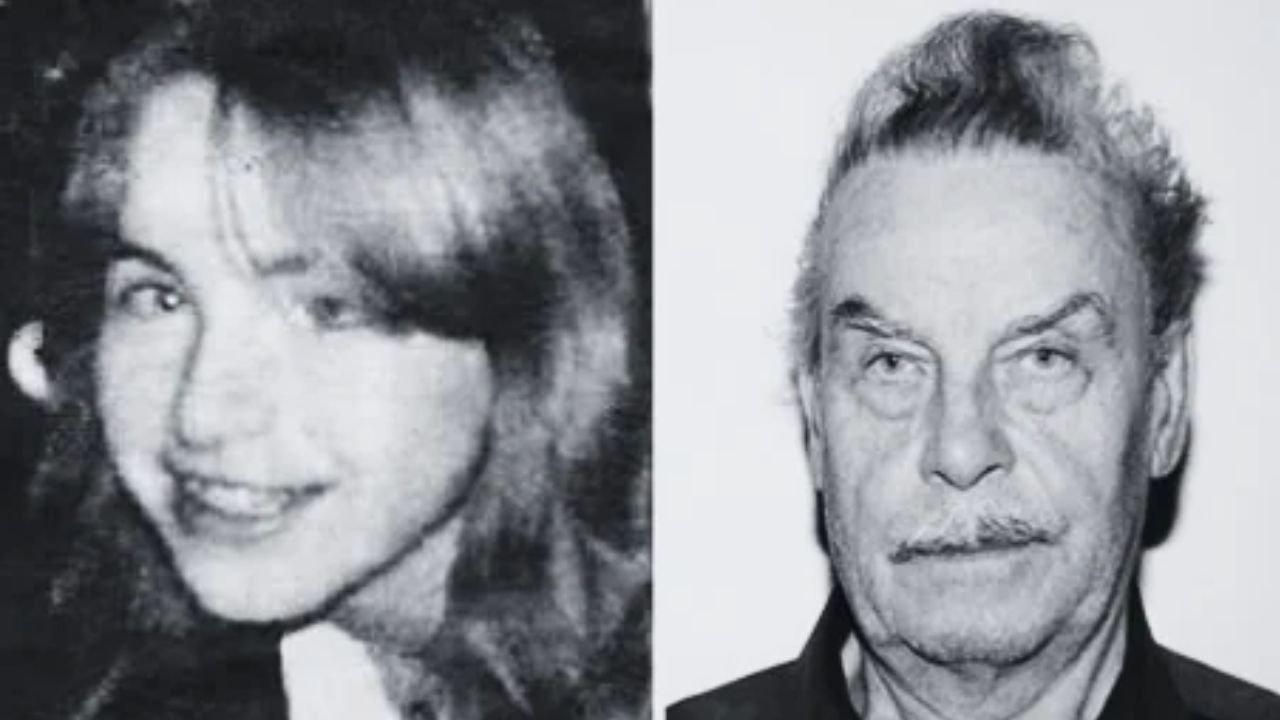
Stefan Fritzl is a name that appears in genealogical records, documentaries, and news archives connected to one of Austria’s most documented criminal cases. Yet very little verified information exists about him as a private individual.
This article covers what public reporting has confirmed — his identity, his family relationships, what his childhood looked like, and what happened after his release in 2008. It does not speculate about his current life, location, or personal circumstances, which remain appropriately private.
Who Stefan Fritzl Is?
Stefan Fritzl is publicly identified as a son of Elisabeth Fritzl and Josef Fritzl. Based on biographical records that aggregate historical reporting, his birth date is listed as February 1, 1990, though readers should treat this as a figure drawn from secondary sources rather than a formally confirmed record.
He is not a public figure or entertainer in any conventional sense. His name is known only because of the criminal case involving his parents — one of the most widely covered cases in modern European legal history.
This article is best understood as a factual profile of a private survivor, not a traditional celebrity biography.
The Fritzl Case — Essential Background
To understand who Stefan is, it helps to know the basics of what happened in Amstetten, Austria.
In 1984, Josef Fritzl imprisoned his daughter Elisabeth in a concealed cellar beneath the family home. She remained there for 24 years, until April 2008. The case became public after Elisabeth’s daughter Kerstin became seriously ill and was taken to hospital. Medical staff became concerned and alerted police, which eventually led to Elisabeth disclosing what had happened.
Josef Fritzl was tried and convicted in 2009. He received a life sentence. The case drew international attention because of its duration, the number of people directly affected, and the conditions in which Elisabeth and her children had been kept.
Stefan’s Place in the Fritzl Family
Elisabeth had seven children during her years in captivity. One of them, a boy named Michael, died approximately three days after birth. The six surviving children were divided into two very different environments.
Three children — Kerstin, Stefan, and Felix — were raised with Elisabeth in the cellar. The other three — Lisa, Monika, and Alexander — were raised upstairs by Josef and his wife, Rosemarie. Those three were presented to the outside world as children Elisabeth had abandoned.
This meant that siblings grew up in entirely separate circumstances, some with access to the outside world and some with none.
Stefan’s older sibling in the cellar was Kerstin, born in 1988. His younger sibling there was Felix, born in 2002. Historical reporting also indicates that Stefan witnessed the birth of his twin brother Michael and the subsequent death that followed within days. This detail is noted in biographical records and should be understood as part of the documented historical record, not elaborated upon further here.
Stefan’s Childhood in the Cellar
Stefan spent approximately 18 years living underground before his release in 2008. Contemporary reporting describes the cellar as cramped, poorly lit, and not designed for raising children. There was no access to schooling, outdoor space, or the kind of daily experiences most children take for granted.
Reporting from the time, including coverage by the Evening Standard, noted that Elisabeth made efforts to care for her children within those conditions. This included attempts to teach them basic skills and provide some structure to their days. The circumstances were extreme, but Elisabeth’s role as a caregiver within them was documented.
Physical effects associated with long-term confinement were noted in some reporting from 2008. However, it would not be accurate or fair to present those observations as permanent medical diagnoses. What can be said with reasonable confidence is that growing up without sunlight, open space, or normal social contact had visible effects at the time of their release.
The 2008 Discovery and Stefan’s Release
The sequence of events that ended Stefan’s captivity began when his older sister Kerstin became critically ill. Josef Fritzl took her to a hospital, but medical staff grew suspicious when they could not get clear answers about her history or her family situation.
Their concerns prompted a police investigation. Under questioning, Josef Fritzl eventually led authorities to the cellar. Elisabeth, Stefan, and Felix were brought out in April 2008.
At the time of his release, Stefan was 18 years old. He had spent almost his entire life underground.
After liberation, Stefan and the other surviving family members were provided with medical care, psychological support, and protective arrangements. Contemporary reporting described Stefan as being cared for in a clinic setting as he began adjusting to ordinary surroundings. Some reports from that period mentioned an interest in gardening — though that detail comes from early 2008 coverage and should be understood as a snapshot from that moment, not a confirmed ongoing interest.
What Happened After 2008?
The family, including Elisabeth and all surviving children, were relocated and given new identities to protect their privacy. Austrian authorities worked to ensure they could build lives outside the public eye.
Beyond those general facts, reliable public reporting does not establish where Stefan lives today, what he does, or what his life looks like. Various websites and genealogy pages have made claims about the family’s current circumstances, but those claims are not supported by authoritative sources and should not be treated as fact.
If you are researching Stefan’s name through a genealogy database or family tree record, it is worth remembering that those platforms aggregate historical data. They can confirm a family relationship or a reported birth date, but they cannot tell you anything reliable about a person’s current address, occupation, or private life.
A Quick Timeline of Key Events
- 1984: Elisabeth Fritzl is imprisoned by Josef Fritzl in a cellar in Amstetten, Austria.
- 1988: Kerstin is born in the cellar.
- 1990: Stefan is born, reportedly on February 1.
- 1996: Twins Alexander and Michael are born; Michael dies approximately three days later.
- 2002: Felix is born in the cellar.
- April 2008: Kerstin is hospitalized; the imprisonment is exposed; Elisabeth, Stefan, and Felix are released.
- 2009: Josef Fritzl is convicted and sentenced to life imprisonment.
Why People Search for Stefan Fritzl?
Most people come across Stefan’s name while reading about the broader Fritzl case, watching documentaries, or browsing family history databases. Some readers simply want to confirm that he is a real person and understand how he fits into the family.
Others wonder whether he is still alive, where he might be, or how the surviving children are doing today. These are natural questions, but most of them do not have publicly verifiable answers. That is not a gap in reporting — it is an intentional outcome of protective measures designed to give the survivors a private life.
For balanced, fact-based coverage of related topics in the news, Newbusinessdesk offers a range of well-sourced articles worth bookmarking.
Keeping the Right Perspective
Stefan Fritzl is not a public figure who chose to share his life with an audience. He is a survivor of a prolonged criminal situation that received enormous international attention — attention he had no say in.
What is documented comes from court records, contemporary news reporting, and secondary sources that draw on those materials. What is not documented — his adult life, identity, relationships, and current wellbeing — belongs to him, not to public discussion.
The most honest thing that can be said is this: Stefan Fritzl is a real person, born into extraordinary and harmful circumstances, who was freed in 2008 and deserves the privacy that comes after. Beyond the historical record, the details of his life are his own.
Also Read: